
The Surprising Side Effects of Popular Superfoods
Eating more kale, chia seeds, and quinoa sounds healthy. However, these so-called “superfoods” can sometimes cause unwanted problems. Some people experience real issues, even when trying to eat better.
When Kale Backfires: Nutrient Overload
Kale is famous for its vitamins and minerals. But too much kale can lead to problems. Kale contains vitamin K, which helps blood to clot. People taking blood thinners, like warfarin, need to be careful.
Kale also has compounds called oxalates. In large amounts, oxalates can make kidney stones more likely. Eating lots of raw kale can even slow down the thyroid, making a person feel tired. Below is a quick list:
- Too much vitamin K: Can affect blood-thinning medicine.
- Oxalates: May increase kidney stone risk.
- Thyroid trouble: Raw kale can sometimes make you feel sluggish.
So, yes, you can have too much of a good thing. As your mom might say, maybe ease up on the kale smoothies.
Chia Seeds and Digestive Distress
Chia seeds are tiny, but they can cause surprisingly big problems. When chia seeds get wet, they absorb liquid and form a gel. Sometimes, they really swell up. If you eat them dry, they can expand in your throat and cause choking.
Chia seeds are also high in fiber. That might sound great, but suddenly eating a lot of fiber can give you gas, bloating, or even constipation instead of keeping you regular. The chart below explains:
| Problem | What Happens? |
|---|---|
| Choking risk | Seeds can expand |
| Too much fiber | Gas and bloating |
Don’t let their size fool you—chia seeds pack a punch, sometimes right in the gut.
Quinoa: Not Always a Quinoa-dream
Quinoa seems perfect—high in protein and gluten-free. But for some, quinoa can cause stomach pain, itchy skin, or a rash. This usually happens because quinoa seeds have a coating called saponin. Saponins taste bitter and can bother the gut.
People with sensitive stomachs or food allergies might feel worse after eating quinoa. Rinsing quinoa in cold water helps, but it doesn’t always solve the problem.
So, quinoa isn’t everyone’s friend, even if it looks cute in a salad. For some, eating quinoa can turn a healthy lunch into a not-so-fun afternoon.
Common Myths That Broccoli (and Friends) Tell You
Broccoli, kale, and all their healthy buddies have a lot of rumors swirling around them. These veggies are famous for being healthy, but some of their best sayings just don’t hold up.
Superfoods Are Not Magical
These days, everyone seems to think certain foods have superpowers. People buy goji berries, broccoli, and chia seeds hoping for glowing skin or perfect health. Marketing makes “superfoods” sound like magic wands.
But here’s the reality: no food will suddenly give you x-ray vision, fix your sleep, or make you age backwards. Superfoods are healthy, yes, but no single food can do everything for your body.
Eating a balanced diet, including not-so-famous items like brown rice or carrots, matters more than chasing after the next “miracle” berry. Even broccoli has to admit it can’t save the day alone.
The Organic Hype Trap
The word “organic” is plastered on everything from apples to pasta. It sounds like a golden ticket to good health. Many think organic means pesticide-free, more nutritious, or automatically safer. But that’s not always true.
Organic farmers can use natural pesticides, and science shows organic foods usually aren’t more nutritious than regular ones. Both types are packed with vitamins and fiber.
Buying organic can get expensive, so it’s helpful to know that washing your broccoli—organic or not—removes most pesticide residues.
If your wallet is crying at the organic section, broccoli would totally understand.
Sugar’s Sneaky Disguise in ‘Healthy’ Snacks
Superfood snacks might wear “natural,” “fit,” or “wholesome” on their labels. Underneath, though, some healthy-looking bars or trail mixes are sugar in disguise. Dried fruit, honey, and agave all add sweetness that adds up quickly.
Comparison Table:
| Snack Example | Sugar Content (per serving) |
|---|---|
| Granola Bar (healthy) | 10g |
| Yogurt with berries | 15g |
| Trail Mix w/ fruit | 18g |
Even snacks with broccoli or kale chips may have extra salt, oil, or sugar. Even a health blogger’s favorite “energy ball” can hide more sugar than a tiny donut.
Always check the nutrition label before packing a “superfood” snack.
Exotic Doesn’t Mean Better
People get excited about foods with strange names. Acai, spirulina, and maca sound cool—but being hard to pronounce doesn’t make them better. Many exotic superfoods cost a lot because they come from far away.
Most of these foods do have vitamins and antioxidants. But so do berries, spinach, sweet potatoes, and—yes—our regular broccoli.
Local foods can be just as healthy, and usually much cheaper and fresher. A box of blueberries from a local farm might beat imported goji berries any day.
Broccoli isn’t jealous—it just wants everyone to know the truth.
Who Knew Superfoods Could Be So Tricky?
Superfoods sound healthy, but they can cause surprises. Some popular picks have hidden risks that most people do not notice.
Hidden Allergens in Acai and Goji
Acai and goji berries look great in smoothie bowls, but they can cause trouble for people with allergies. Goji berries are part of the nightshade family, along with tomatoes and peppers. That means anyone with a nightshade allergy might have a tough time after eating goji berries.
Acai berries can also trigger pollen allergies for some people. Eating these berries might lead to itchy mouths or even swelling in unlucky fans.
Allergy Signs to Watch For:
- Swelling of lips or tongue
- Itchy throat
- Rash or hives
- Stomach ache
If these things happen, it’s best to call a doctor fast and avoid these berries in the future.
Oxalates and Kidney Stones: The Spinach Saga
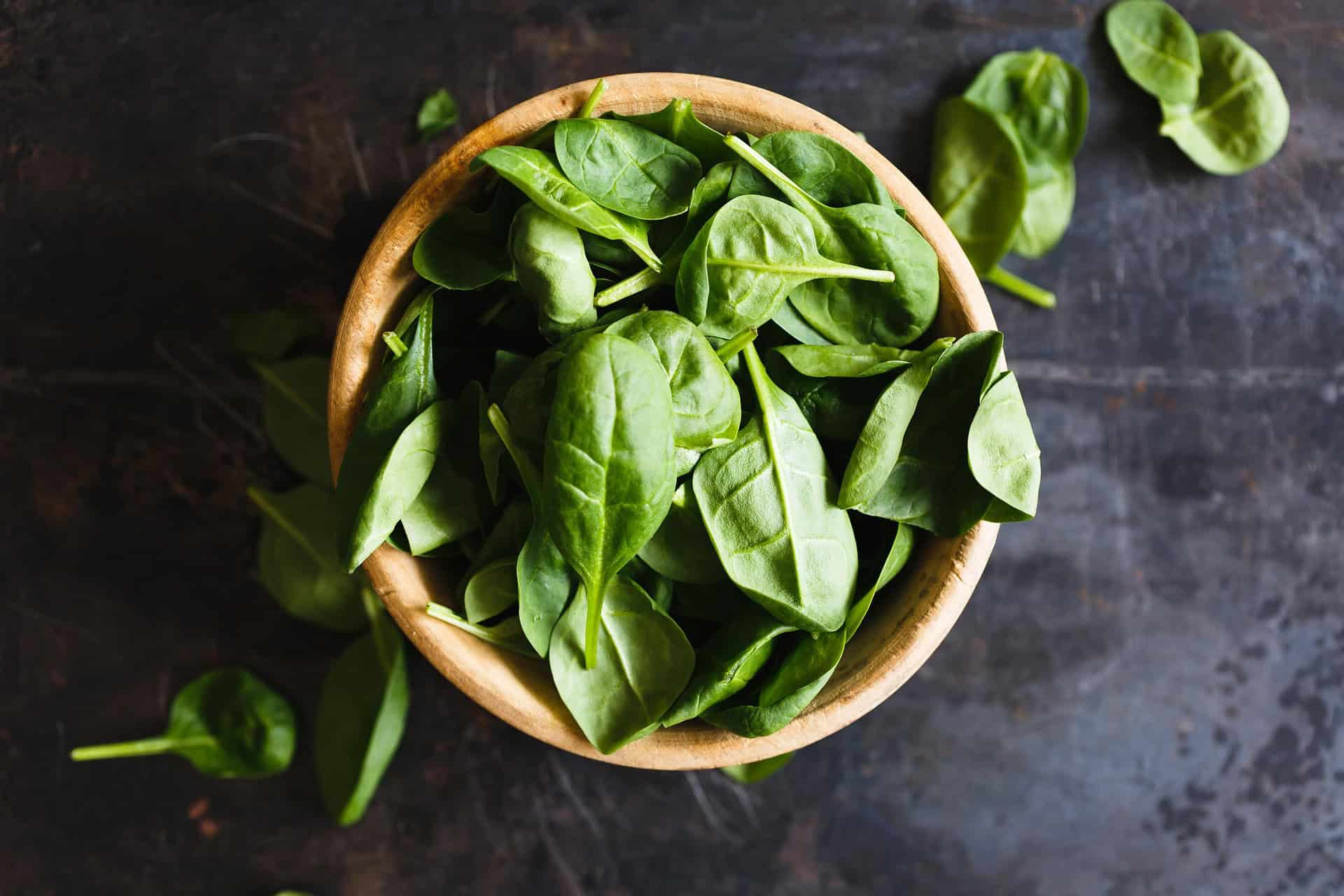
Spinach is famous for iron, but it is also packed with something called oxalates. These chemicals are not dangerous for everyone, but in some people they help form kidney stones. Eating a lot of spinach every day can make kidney stones more likely, especially for people who have had them before.
High-oxalate foods include:
| Food | Oxalate Level |
|---|---|
| Spinach | Very High |
| Rhubarb | High |
| Beets | High |
People who have had kidney stones might want to eat less spinach. Drinking more water helps, but that will not turn spinach into a magic food. For those at risk, it’s worth choosing other greens.
Environmental and Ethical Issues Lurking in Your Salad Bowl
Those “healthy” salads may seem innocent, but every crunchy bite can hide a complicated backstory. Popular superfoods often bring more to the table than just fiber and antioxidants—they carry global consequences and sometimes a little guilt.
Quinoa’s Global Quarrels
Quinoa used to be a humble crop in the Andes. Then, it became a superstar on social media and in trendy cafes. Suddenly, demand skyrocketed, and quinoa prices soared—great news for some farmers, not so much for the local families who now struggle to afford their staple grain.
Quinoa facts:
| Before fame | After fame |
|---|---|
| Cheap protein | Expensive trend |
| Local diets | Global exports |
While western shoppers fill their carts, small-scale Andean farmers might enjoy bigger profits. But others lose access. Over-farming can also hurt the local environment, leading to soil problems and fewer traditional crops. Quinoa fields might look pretty, but they can leave a mess behind.
Superfood Demand and Farmer Fatigue
Superfoods like kale, chia, and avocados don’t just grow themselves—someone has to pick, pack, and ship them. The rising demand often means longer hours and tough conditions for workers. In some places, farmworkers face low pay, little protection, and job insecurity.
Avocado farming, for example, has soared. But this success comes with water shortages and pressure on land. “Holy guacamole!” is not what Mexican farmers say when rivers run dry.
Quick list of issues facing superfood farmers:
- Long workdays
- Unstable incomes
- Health risks from farm chemicals
Superfoods might look green and fresh in the grocery store, but the journey from farm to table is not always so pretty.