
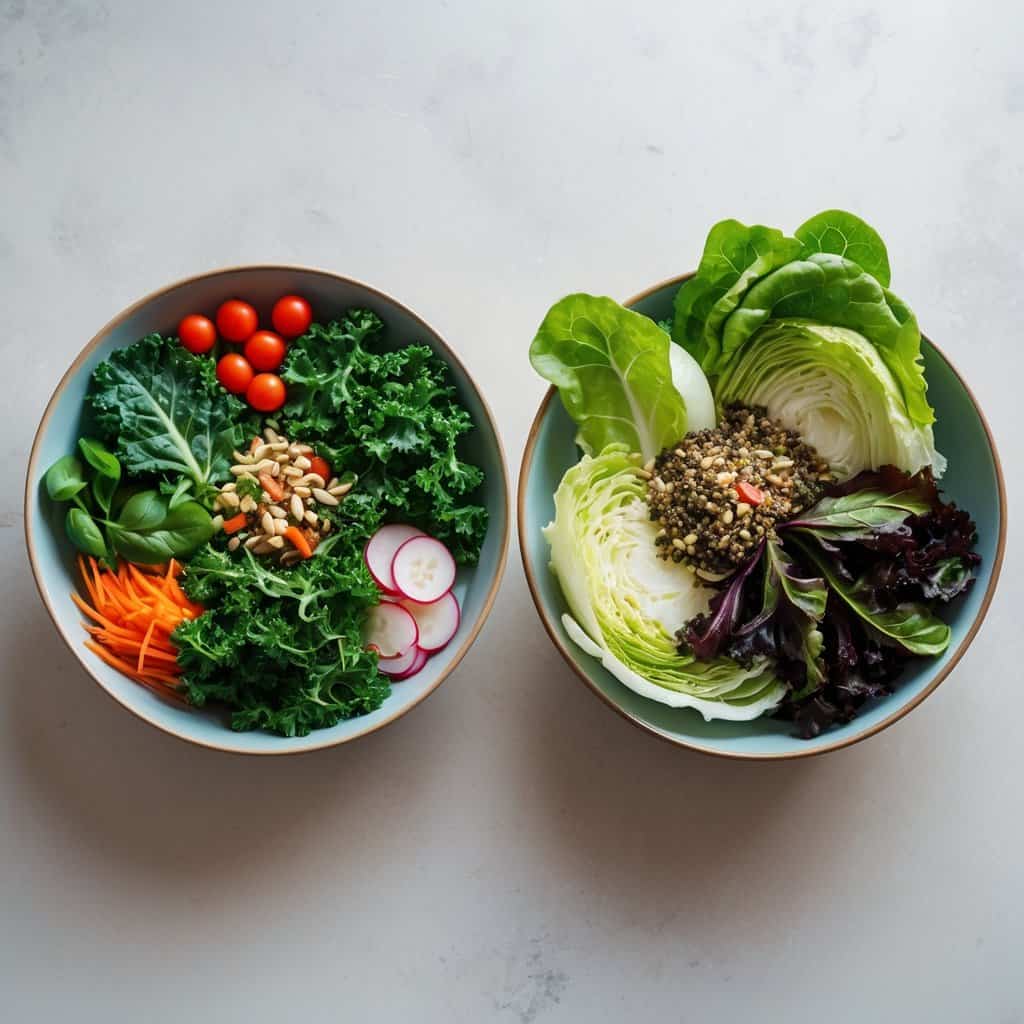
Top Leafy Greens to Boost Your Health
Some leafy greens are loaded with vitamins, minerals, and special compounds that help the body stay healthy. The right greens may add fiber, lower cholesterol, and even help muscles after a workout.
Spinach Superpowers
Spinach isn’t just for cartoon sailors with oddly big forearms. It’s packed with vitamins K, A, and C, plus the folate needed for new cells.
One cup of raw spinach has about 56% of your daily vitamin A. It delivers iron, which helps keep your blood strong and happy. Spinach also contains lutein and zeaxanthin. These are antioxidants that protect your eyes. People who want healthy eyes and strong bones should not avoid spinach at the salad bar.
Still, spinach has oxalates. These can make kidney stones worse for some folks. If stones already bug you, don’t turn spinach into your only vegetable friend. For others, just wash it well and throw it into eggs, smoothies, or on pizza if you’re feeling experimental.
Kale: The Reigning Champion
Kale has become so cool, it should probably have sunglasses and a leather jacket. It is high in vitamin K (684% of your daily value in only one cup). This helps your blood clot normally—as long as you aren’t secretly a vampire.
Key nutrients in kale:
- Vitamin K
- Vitamin C
- Calcium
Kale is loaded with fiber, which can help your stomach and keep you feeling full longer. It has antioxidants like quercetin and kaempferol, which may lower inflammation. Some people say kale tastes bitter, and they’re not wrong. Try massaging it with a bit of olive oil to soften it. Or just hide it in a smoothie under layers of banana and wishful thinking.
Swiss Chard Swagger
Swiss chard sounds fancy but it’s just a leafy green with colorful stems. Each bite gives your body vitamin K, magnesium, and potassium. These help with muscle and nerve function.
Nutrition info for 1 cup raw Swiss chard:
| Nutrient | Percent Daily Value |
|---|---|
| Vitamin K | 374% |
| Vitamin A | 44% |
| Magnesium | 6% |
| Potassium | 4% |
Chard is low in calories but full of flavor—think of it as the underdog in the produce aisle. You can eat the pretty stems too, but expect your dinner plate to look like a rainbow. Sauté Swiss chard with a little garlic and olive oil for a quick side dish that’s easy, healthy, and surprisingly fancy.
Leafy Greens to Approach With Caution
Not all leafy greens are winners. Some look good on a salad but could leave you wishing you picked something else. Watch out for these tricky veggies.
Iceberg Lettuce: The Not-So-Superfood
Iceberg lettuce is the vegetable equivalent of plain white bread. It looks crispy and fresh, but surprise!—there’s not much going on nutritionally.
Most of its content is water, so don’t expect it to bring vitamins or minerals to the party. Next time you see someone fill their plate with iceberg, you might wonder if they just wanted an excuse to eat more ranch dressing.
Here are some quick facts:
| Iceberg Lettuce (1 cup, shredded) | |
|---|---|
| Calories | 10 |
| Vitamin C | 2% of daily value |
| Fiber | Less than 1g |
| Iron | Less than 2% of daily value |
If he’s looking for a leafy green boost, iceberg is probably not the hero he needs.
Beet Greens and Their Sneaky Oxalates
Beet greens may sound fancy, but they come with a hidden catch—high oxalate levels. Oxalates can team up in the body and form kidney stones, especially in people who are more at risk.
Eating beet greens tastes healthy, but it could spell trouble for those sensitive to oxalates. If she has kidney stone problems, it’s probably better to swipe left on beet greens.
Quick Reference:
- High in oxalates (not great for kidney stones)
- Bitter taste (not everyone’s favorite)
- Better for people with strong kidneys
Steaming them helps lower oxalate levels, but it won’t remove them completely. Moderation is key if kidney stones have ever crashed his salad party.
Mustard Greens: Hot Stuff, But Not for Everyone
Mustard greens like to spice things up—literally. Those peppery leaves pack a punch, giving salads a kick strong enough to wake up sleepy taste buds.
But for anyone with a sensitive stomach, mustard greens can cause gas or stomach pain. If she already struggles with acid reflux or heartburn, these greens might not be her best choice for lunch.
Important notes for mustard greens:
- Very spicy, not subtle
- Could irritate the stomach or gut
- Best enjoyed cooked to mellow the kick
So if a person enjoys a little drama in their leafy greens, mustard greens deliver. But their fireworks might not be for every salad lover.
How Leafy Greens Can Make or Break Your Diet
Leafy greens seem like diet superheroes, but not every green wears a cape. Some are powerful sidekicks, while others can sneak in problems for picky eaters or people with sensitive stomachs.
Nutritional Showdowns
Not all leafy greens are created equal, and some of them are like the nutritional overachievers that never let you forget it.
Here’s a quick battle table:
| Green | Key Vitamins | Notable Benefits |
|---|---|---|
| Spinach | A, C, K, Iron | Eye health, blood support |
| kale | C, K, Calcium | Bone strength, antioxidant |
| iceberg | Some A, C | Mostly crunch and water |
| arugula | K, C, tiny calcium | Peppery taste, light boost |
Spinach and kale walk into a salad and immediately start flexing their vitamin muscles. Iceberg just wants to chill, but honestly, it’s about as useful to your diet as a napkin. Arugula is the cool kid with the spicy kick, but it doesn’t back it up with loads of nutrients like its cousins.
Potential Pitfalls for Sensitive Stomachs
If your stomach whistles “Danger!” when you eat too much fiber, these leafy heroes could easily become villains.
Kale, cabbage, and collard greens might leave some people feeling gassy or bloated. Excess raw greens, especially from the cruciferous family, are the usual suspects behind stomach upsets. It’s not fun to feel like a human balloon just because you ate a salad.
For those who want to avoid awkward noises in public, steamed or cooked greens are usually gentler. People with IBS or sensitive guts might want to skip the kale rave and try mild leafy greens, such as butter lettuce, instead.
Vitamin and Mineral Overload: Is That a Thing?
That big spinach smoothie might seem like a health win, but it’s actually possible to get too many vitamins and minerals from leafy greens. High doses of vitamin K can mess with blood thinners, and too much oxalate from spinach or beet greens raises kidney stone risk.
People taking medications for blood clotting need to watch out for excessive kale or spinach intake. A massive “super green” salad every day may sound healthy, but variety helps prevent vitamin overload.
Nobody wants to get scolded by their doctor for eating heroic amounts of salad, so mixing up greens is a lot safer—and a lot less dramatic.
Creative Ways to Sneak Leafy Greens Into Your Life
Some people avoid leafy greens like they’re hiding from bad weather. Thankfully, there are low-key ways to work these veggies into your food without a whole garden on your plate. Even picky eaters and anti-salad folks can join in.
Slippery Salads and Sneaky Smoothies
Salads do not need to taste like lawn clippings. Chopped spinach or kale blends in nicely when tossed with juicy fruits like strawberries or orange slices. For more crunch, throw in roasted seeds, a handful of walnuts, or tiny cheese cubes. Dressings can hide even strong flavors—just don’t drown the salad, unless soggy greens are your thing.
Smoothies are nature’s witness protection program for leafy greens. A frozen banana, a scoop of yogurt, a splash of OJ, and a big handful of spinach disappear right into the blend. Spinach is especially stealthy, but even kale usually slips by, masked by berries or pineapple. For a power move, try freezing greens in advance, then pop them straight into the blender.
Quick Sneak Tips:
- Mince greens before adding to salads
- Use dark berries to cover green color in smoothies
- Try spinach in chocolate protein shakes (seriously, you won’t taste it)
Oven Adventures With Chips and Roasts
Greens don’t always have to be cold and limp. Baking turns kale, collard, and even Swiss chard into crispy chips that crunch loudly enough to worry anyone nearby. Just tear up the leaves, toss with olive oil and salt, bake at 350°F (175°C) for 10-15 minutes—done. Collard greens work similarly, though they might need a couple more minutes in the oven.
Roasted veggies love leafy greens, too. Add chopped spinach, beet greens, or mustard greens in the last 5-10 minutes of roasting potatoes, carrots, or squash. The oven makes greens taste mellow and slightly toasty, which helps them blend in with comfort foods like macaroni and cheese or casseroles. No one at the table will guess they’re getting bonus fiber.