
Leafy Greens vs. Supplements: The Ultimate Showdown
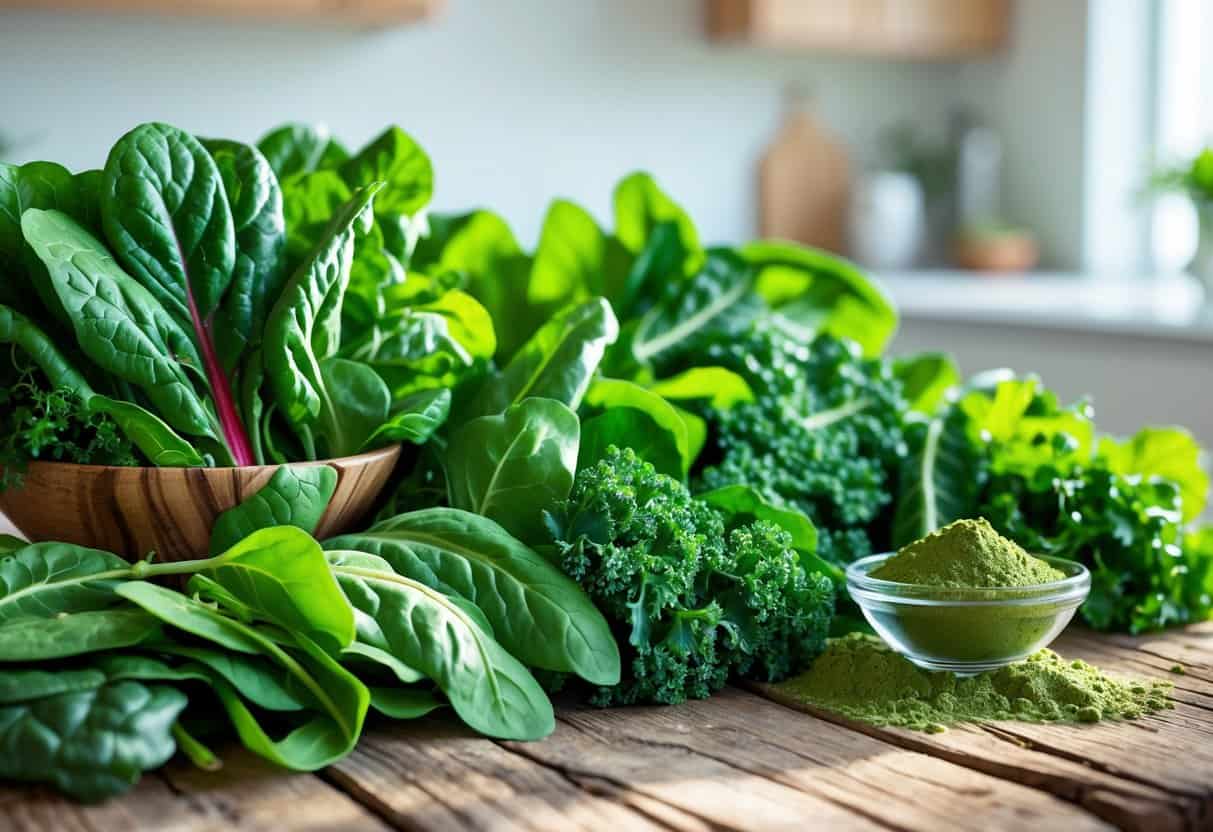
Leafy greens are the real MVP when it comes to nutrition, beating flashy pills and powders at their own game. If you want fiber, flavor, and vitamins all at once (without swallowing anything the size of a horse pill), let’s see how greens pull ahead of the competition.
Why Nature Packs a Punch
Eating leafy greens gives you a dose of nutrients, fiber, and some crunchy satisfaction that a capsule just can’t compete with. Plants like spinach and kale have nutrients that are easier for your body to use compared to synthetic versions. For example, vitamin K from greens does its job way better than the lab-made stuff.
Nature mixes vitamins, minerals, and antioxidants together, so they work as a team. It’s like your own personal superhero squad for your body. Plus, real greens never have weird fillers or mystery ingredients. You know what’s in lettuce—lettuce. You never really question it.
You also skip the risk of overloading on certain vitamins. Eating a mountain of broccoli is tough. Eating too many vitamin pills? Surprisingly easy…and not always a good thing.
The Whole Food Advantage
Leafy greens don’t come stripped down; they show up with the whole package. When you eat them, you get fiber, water, and phytonutrients that you don’t find in most supplements. These extras help your digestive system work, keep you full, and even feed good bacteria in your gut.
Let’s break it down in a quick chart:
| What You Get | Leafy Greens | Supplements |
|---|---|---|
| Fiber | ✅ | ❌ |
| Phytonutrients | ✅ | ❌ |
| Water | ✅ | ❌ |
Greens also make meals more interesting. No one ever complimented a plate of vitamin tablets, but a fresh salad? Now you’re the host with the most (spinach).
Are Supplements Just a Marketing Gimmick?
Supplements often promise you’ll basically turn into a superhero overnight (minus the cape). The truth is, many supplements are just creative advertising with a sprinkle of actual nutrition. The label might show you a rainbow of vitamins, but most of those are made in factories, not fields.
You’re paying extra for what looks shiny on the shelf. Plus, many supplements can’t prove that your body absorbs all those nutrients. Your pee might turn bright yellow, but that doesn’t mean you’re any healthier.
Bottom line? Leafy greens do the job without the empty promises or the awkward aftertaste of swallowing a giant pill. Plus, chewing is way more fun.
Nutrient Symphony: What Leafy Greens Offer That Pills Can’t
Eating leafy greens isn’t just good—it’s practically a backstage pass to a rock concert for your body. Greens offer a mix of nutrients, fibers, and plant compounds that pills just can’t fake, no matter how shiny the bottle.
Micronutrient Magic
Leafy greens aren’t just your average salad fillers. They bring a big crowd of micronutrients, like vitamin K, folate, magnesium, and iron. Your body wants more than just vitamin C or D—it’s looking for the whole setlist.
Spinach, kale, and collard greens pack multiple nutrients into every bite. Unlike most supplements, which focus on single vitamins or minerals, real greens deliver them all at once, making you feel like a nutrition superstar at an all-you-can-eat buffet (minus the guilt).
And let’s not forget their teamwork. Nutrients in greens play nice with each other, helping your body use them better. When you eat greens, you get a whole band—pills just give you the backup singer in a bottle.
Fiber: The Unsung Hero
Someone had to say it—fiber is not glamorous, but it works hard. Leafy greens like Swiss chard and romaine are loaded with fiber, keeping your gut moving and your bathroom trips less eventful.
Supplements can’t keep up. Most multivitamins skip fiber altogether. Your body needs fiber to help you feel full, support your gut bacteria, and keep your blood sugar steady. It’s like having a bodyguard for your intestines, quietly working behind the scenes.
Here’s what fiber does for you:
- Keeps you regular
- Lowers cholesterol
- Feeds good gut bacteria
- Helps control blood sugar
And all that, just from chewing your veggies.
Phytochemicals: The Secret Sauce
Phytochemicals are plant-powered compounds with names only scientists can pronounce, like lutein and quercetin. Leafy greens brim with these little helpers. Supplements can add a few, but don’t expect the full party.
These phytochemicals have roles in supporting your body’s natural defenses. They help your cells deal with stress, protect against damage, and may even support heart and brain health. Think of them as your body’s secret agents—small, stealthy, and packing a punch.
Some popular leafy greens and their phytochemicals:
| Green | Star Phytochemical |
|---|---|
| Kale | Lutein |
| Spinach | Zeaxanthin |
| Collards | Sulforaphane |
Your supplement can’t keep up with this secret sauce.
Bioavailability—Can Your Body Even Use That Pill?
You bought the expensive supplements. But can your body even use what’s inside? That’s the million-dollar question (or however much you spent at the store). Leafy greens offer nutrients in natural forms your body knows how to handle.
For example, iron from spinach comes with vitamin C and other helpers, making it easier to absorb. Pills? The nutrients in them can be tough for your body to break down and use, like a locked door with a missing key.
Greens give you nutrients your body can actually absorb and use. Supplements just hope for the best. This isn’t a lottery—go with the food your body is built for.
Side Effects: When Green Means Go and Supplements Say No
Leafy greens can make your body happy in ways supplements just can’t match. You get smoother digestion, less risk of overdoing it, and even the joy of real chewing.
Digestive Delight vs. Constipation Nation
Eat a salad, and your belly will thank you. Leafy greens are loaded with fiber, which keeps your digestive system moving like a well-oiled machine—no squeaks, just regular trips to the bathroom.
Supplements, on the other hand, often forget the fiber part. Some even cause constipation, especially iron and calcium pills. Feeling clogged up is never fun.
With real greens, you support your gut health and grow those helpful bacteria. You skip the bloat, cramps, and “why-am-I-so-full” feeling that comes with some pills. Chewing greens means happy tummies, and no surprise traffic jams.
Toxicity Troubles With Overdosing
It’s hard—almost impossible—to eat so many leafy greens that you overdose on vitamins. Nature puts the brakes on before you can try. Your stomach says stop at salad bowl number three, maybe four.
Supplements are not so gentle. Take too many, and suddenly you’re in Toxicity Town. Vitamins like A, D, E, and K can build up in your body if you pop too many pills. That can mean headaches, nausea, and even more serious symptoms.
Leafy greens dole out nutrients speed limits. Supplements ignore stop signs. If you like living on the edge, chase your multivitamin with a game of roulette.
Missing Out on the Crunch Factor
Chewing pills is not a snack. Capsules can’t compare to the snap of a fresh spinach leaf or the crunch of lettuce. Texture matters.
Eating greens slows you down so you eat less, feel full faster, and enjoy your food more. You also strengthen your jaw—something no tablet can promise.
Benefits of the Crunch:
- Natural portion control
- More saliva (good for your teeth!)
- Actual satisfaction—no sad face after swallowing vitamins
Environmental and Wallet Wins: Greens in Real Life
Eating real leafy greens helps both your planet and your bank account. You also get to support your neighborhood farmers instead of sending money to huge supplement companies.
Eco-Friendliness: Saving the World, One Salad at a Time
Your daily salad doesn’t need a plastic bottle or a chemical lab. It grows right from the dirt, using just sunlight and a sprinkle of water (unless you’re a cactus, in which case, you don’t need much at all).
When you eat natural greens, you cut down on pollution. Growing and transporting vegetables is much cleaner than running factories that create pills, ship them in plastic, then box them inside even more plastic.
Real greens leave less behind. No plastic bottles, no weird cardboard packages—just some compost for your garden. Eating plants instead of popping supplements is a friendlier choice for the earth, your kitchen trash can, and anyone who likes fresh air.
Cost Comparison: Spinach vs. Spendy Pills
Let’s talk dollars. A big bag of spinach might set you back a few bucks—enough for a week of giant salads. A bottle of green supplement pills? That could cost two or three times that amount for the same number of servings, if not more!
Here’s a quick look:
| Item | Cost/Week | Amount |
|---|---|---|
| Fresh Spinach | $3 – $5 | ~8 cups |
| Green Pills | $10 – $15 | ~7 servings |
No fancy calculator needed. Fresh greens are way cheaper, and you don’t get sticker shock at the register. Plus, you won’t have to explain to your friends why you eat salads in pill form.
Supporting Local Farms vs. Mega Corporations
Buying leafy greens from the local farmer’s market means you’re putting money straight into the pockets of real people—not some faceless corporation with a logo shaped like a leaf.
Here’s what happens when you buy local:
- You meet the person who grew your food, who probably has dirt under their fingernails.
- Your money helps local businesses stay open.
- Fewer delivery trucks means less pollution.
When you grab a supplement from the store shelf, most of your cash goes to a big company that likely doesn’t know the difference between kale and collard greens. Supporting local farms helps keep your community thriving—and gives you fresher food to boot.