
Leaving Nutrients At The Door Like A Bad Party Guest
Skipping out on some key nutrients is common when cooking vegan meals. If you don’t pay attention, vitamins and minerals can sneak past you like someone sneaking into a party without an invite.
Vitamin B12 Blind Spots
Vitamin B12 plays hard to get—it’s only in animal foods or foods that pretend to be animal foods. When you go vegan, B12 can disappear from your diet faster than cookies at a bake sale.
To make sure you’re not missing out, eat foods with B12 added, like plant milks or breakfast cereals. You can also take a B12 supplement. Don’t trust seaweed or mushrooms to give you enough B12; they can be unreliable.
If you skip B12 for too long, you might get tired, weak, or forget things—kind of like your phone when you ignore its battery. So check labels, and keep B12 on the guest list.
Iron That Never Arrives (And Vitamin C That Should Tag Along)
Vegan iron comes from plants, but it’s not the popular kid who always gets picked first; your body doesn’t grab it as easily as iron from meat. Beans, spinach, and pumpkin seeds have iron, but you need a little help getting it where it needs to go.
Pair plant iron with foods rich in vitamin C, like oranges, bell peppers, or strawberries. Vitamin C is the friendly neighbor who helps iron get in the door. Avoid drinking tea or coffee with meals because they block iron like a bouncer at a club.
Tip: Try adding tomato slices to bean chili, or splash lemon juice on steamed greens to boost iron absorption.
Ignoring Omega-3s
Omega-3s are the introverts of the nutrient world—they’re quiet but important. These fats help your brain stay sharp and your heart happy. Fish are a major source, but you’ve said goodbye to those guys.
Plant-based options are chia seeds, flaxseeds, walnuts, and hemp seeds. Grind up flaxseeds before eating, or sprinkle chia seeds in your smoothie. Even then, your body only turns a small amount into the form it needs.
If you want zero fuss, you can take an algae oil supplement. It’s what the fish eat anyway, so you’re just skipping the middleman (or, middlefish).
Letting Calcium Slip Away
Calcium is famous for bones and teeth, but it walks right out the vegan door if you’re not careful. Dairy isn’t around, so you need a new plan.
Choose plant milks and yogurts with added calcium. Leafy greens like bok choy and collard greens are helpful, but spinach isn’t invited—it has stuff that blocks calcium. Tofu set with calcium, almonds, and figs also make your bones cheer.
Don’t wait until your next dentist visit to realize calcium bailed on you. Double-check the label for “calcium carbonate” or “calcium fortified” and put those foods on your daily menu.
Messing Up Meal Prep: When Good Veggies Go Sad
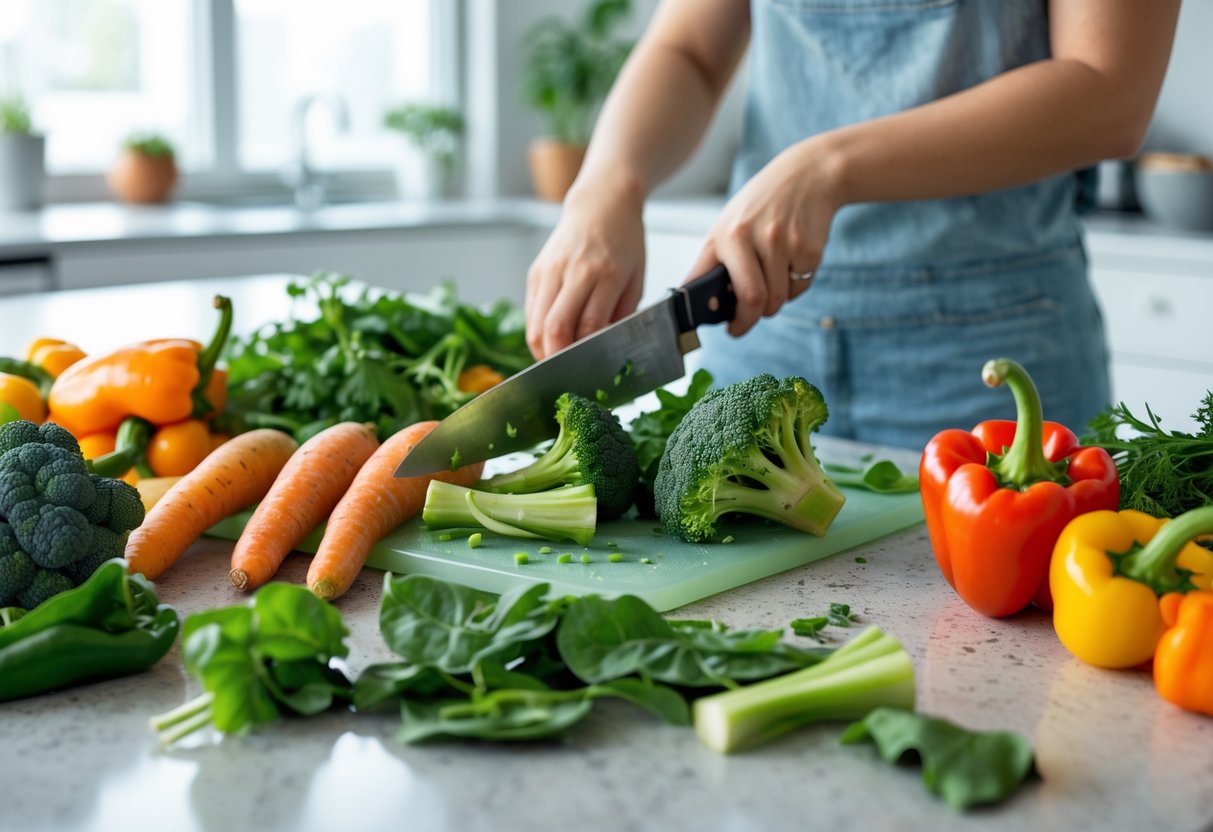
Even the freshest veggies can lose their sparkle in the wrong hands. Little mistakes like cooking, oiling, or seasoning the wrong way can leave your plate dull and tasteless, instead of bright and healthy.
Overcooking The Crunch And Color Out Of Vegetables
Listen, your broccoli shouldn’t look like a science experiment gone wrong. If your green beans droop or your carrots look like they’ve been through a rainstorm, you’ve probably cooked out all the goodness.
Overcooking makes veggies lose color, crunch, and nutrients. Boiling everything until it’s mush is not the vibe. Instead, try steaming, roasting, or giving them a quick sauté. These methods keep the colors bright and the textures fun.
Use this as a quick guide:
| Vegetable | Cooking Time (min) | Best Method |
|---|---|---|
| Broccoli | 3-5 | Steam/Sauté |
| Carrots | 5-8 | Roast/Steam |
| Peppers | 2-3 | Sauté |
| If you want your veggies to sing (not sob), give them just enough heat. |
Skimping On Healthy Fats
Don’t run away from oil like it’s haunted. Some vitamins in veggies—like A, D, E, and K—need a little fat so your body can use them. If you go fat-free, you could miss out on these important nutrients.
Healthy fats like extra-virgin olive oil, avocado oil, nuts, and seeds aren’t just about taste; they help your body soak up more goodness from your meal.
Try these easy swaps:
- Drizzle olive oil on roasted veggies.
- Toss steamed greens with avocado.
- Sprinkle a handful of seeds or nuts on your salad.
A little bit goes a long way. Just don’t turn your plate into a slip-‘n-slide.
Seasoning Sins (Or Complete Lack Thereof)
Veggies need flavor! Salt, pepper, and herbs can turn bland bites into crave-worthy sides. Going vegan doesn’t mean food should taste like a punishment.
If you forget to season, your veggies may taste as exciting as cardboard. Use garlic, lemon juice, fresh herbs, or even a splash of soy sauce to wake things up. If you’re feeling brave, try smoked paprika, curry powder, or nutritional yeast.
Keep these handy:
- Salt: Brings out flavor
- Acids (lemon, vinegar): Adds zing
- Herbs/spices: For variety
You don’t need a chef hat—just a little courage and a shake of the spice jar.
Falling For Store-Bought Vegan Junk Food Traps
You spot “vegan” written on a chip bag and instantly think it’s a health food. Sorry, but your kale dreams might be crushed after reading the label.
Fact: Not every vegan snack is packed with nutrition. Most vegan cookies, chips, and mock-meats are just junk food in a new jacket.
Here’s a quick cheat sheet:
| Food Item | Usually Contains | Healthier? |
|---|---|---|
| Vegan Cookies | Sugar, white flour, palm oil | ❌ |
| Vegan Cheese Puffs | Potato starch, sunflower oil, “natural flavors” | ❌ |
| “Plant-Based” Deli Slices | Added salt, gums, mystery ingredients | ❌ |
When you eat these foods all the time, you end up with a plate full of, well, not much.
Don’t let colorful packaging fool you. If an ingredient list looks longer than a grocery receipt, your body probably can’t pronounce half of those words either.
Everyone loves snacks, but try not to fall into the “vegan” label trap! Instead, reach for real foods—fruits, veggies, or nuts—because your insides deserve more than plant-based potato dust.
Skipping Protein—Where’s The Beef? (Well, Not Here!)
If you neglect protein, you might feel tired, hungry, and even lose muscle. Making a vegan meal isn’t just about removing meat; you have to replace it with foods that keep you healthy.
Forgetting About Plant-Based Protein Sources
So, you dropped meat but forgot to invite its friends—plant-based proteins. Your beans, tofu, and lentils are sitting in the fridge like wallflowers at a middle school dance. Don’t leave them hanging!
Here are some top plant-based proteins you should use:
| Protein Source | Protein (g) per cup cooked |
|---|---|
| Lentils | 18 |
| Chickpeas | 15 |
| Black beans | 15 |
| Tofu | 20 |
| Tempeh | 31 |
If you don’t add these foods, you risk not getting the nutrients your body needs. Next time, fill your plate with a mix. You’ll feel better, and your fridge won’t have to host awkward stares from unused tofu.
Relying Too Heavily On Carbs
When you skip protein, you often fill up on bread, pasta, and potatoes instead. Carbs are tasty, sure, but your stomach will grumble like a bear if you don’t balance things out.
Eating too many carbs without protein can leave you feeling hungry soon after eating. You may also feel your energy crash in the afternoon, right when you need it most.
To fix this, pair rice with beans or add chickpeas to your salads instead of croutons. Remember, your body needs more than just a bread basket to keep you going.
Not Finding the Right Protein, Carb, Fat Balance to Keep You Full
If your meal only has carbs or veggies, you’re basically asking to be hungry again in an hour. Protein helps you feel full, but so do healthy fats.
Aim for a balanced plate:
- 1/4 protein (like tofu or lentils)
- 1/4 carbs (like quinoa or brown rice)
- 1/2 non-starchy veggies
- Add a small serving of fat (avocado, nuts, olive oil)
This combo isn’t just for nutrition nerds. It actually makes eating more fun and your stomach much less dramatic between meals. Your body and your mood will thank you.